Vinyl, Fiberglass or Wood Clad Frames Under San Bernardino Sun
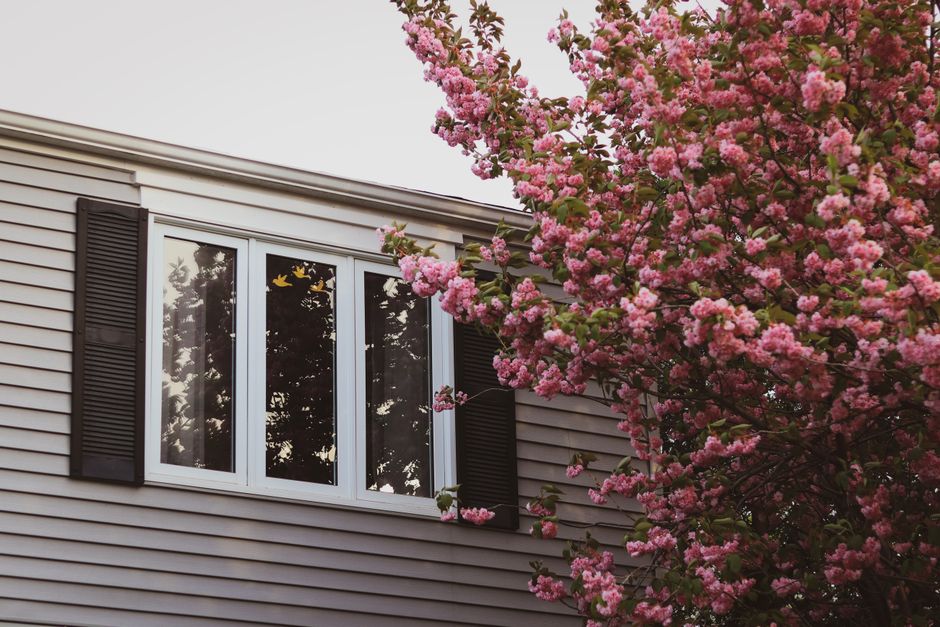
Two frames that look identical in a showroom can age very differently after ten summers in the Inland Empire. Dark vinyl may bow while a fiberglass window of the same color holds flat, as the notes at san bernardino replacement windows earth liberation front describe for each replacement option. Heat is the main test in San Bernardino, CA.
Vinyl and thermal movement
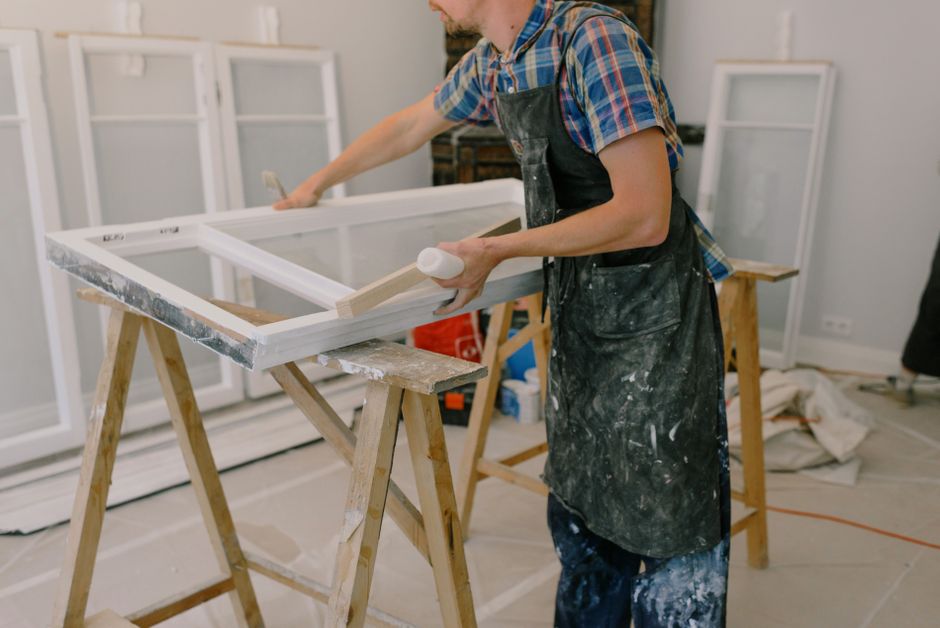
Vinyl expands and contracts with temperature more than any other common frame. A six foot vinyl window can grow by a few hundredths of an inch between a cool morning and a hot afternoon. Good frames hide this with welded corners and internal reinforcement, while cheap ones show gaps at the corners or a wavy sash.
Color and surface fade
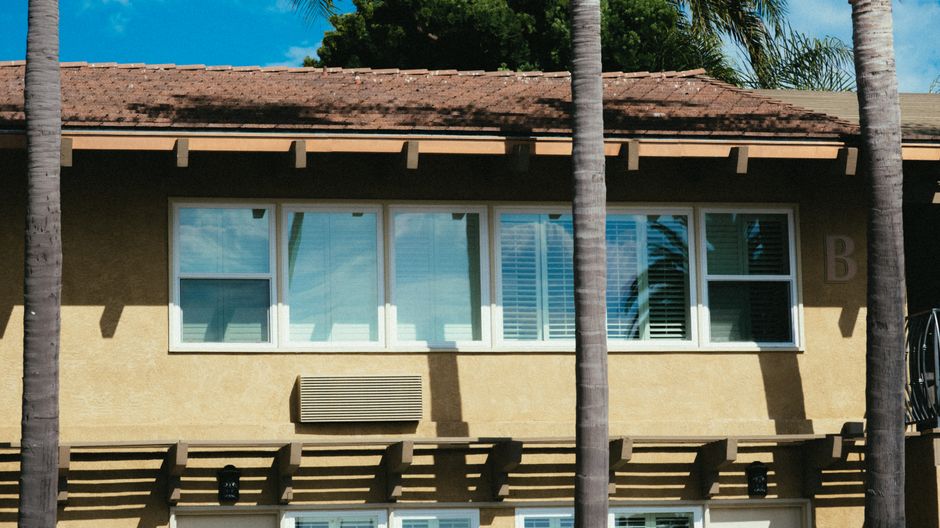
Dark colors absorb far more heat than white or beige, so a dark vinyl window on a west wall runs hotter and moves more. Many makers offer laminated or cap-stock finishes for this reason. A light color is safer on the south and west sides of a house in Verdemont.
Fiberglass frames
A fiberglass window expands at nearly the same rate as the glass itself, so seals stay under steady pressure through the day. The frame is stiff, takes paint, and holds corners square. It is slower to make and has fewer color choices, but it resists heat movement better than vinyl.
Wood and clad window frames
A wood window is warm to look at and stable in size, but the sun dries the interior and the finish breaks down on exposed sills. A clad window wraps the outside in aluminum or vinyl and leaves wood inside. The wrap takes the sun, while the interior stays stained and trim matched.
Aluminum for older houses
Many San Bernardino houses still have aluminum frames from the seventies. Aluminum conducts heat directly, so the frame itself gets hot to the touch on summer afternoons. A thermal break, a plastic strip inside the frame, reduces that, though newer composite frame designs usually perform better.
Choosing for the wall
Put light colored vinyl or fiberglass on west and south walls, and keep wood clad for sheltered porches or protected north elevations. Check that the maker lists a heat welded corner and a stated warranty for color change, then compare frames wall by wall rather than choosing one material for the whole house. Sample corners are worth holding in the hand: a weld that has been trimmed clean and a frame wall that feels solid when tapped say more than any brochure about how the unit will look in year ten.